
The Impact of Poor Cooling on UPS and Battery Life in Data Centers

Facebook
Twitter
LinkedIn
WhatsApp

The Impact of Poor Cooling on UPS and Battery Life in Data Centers

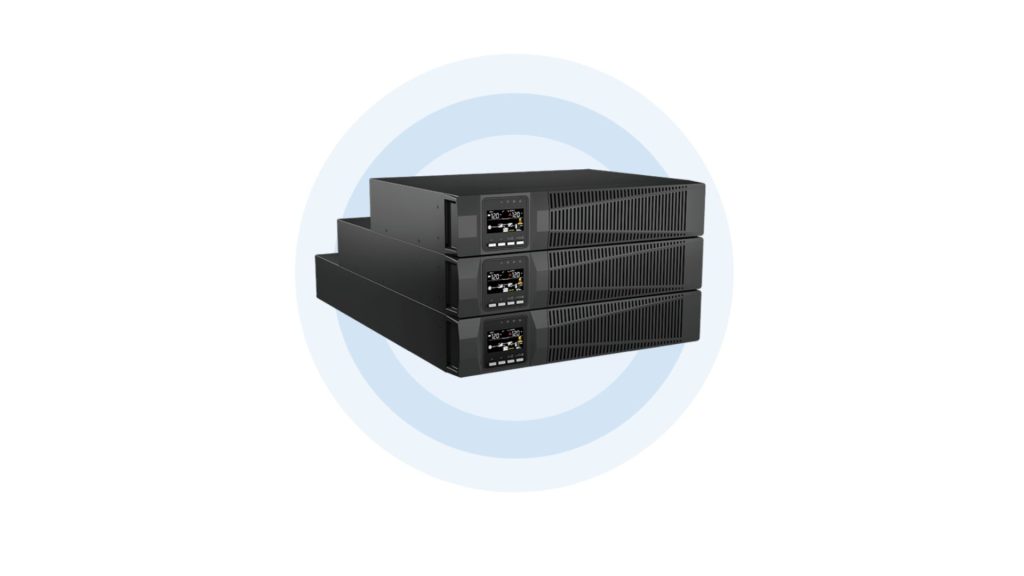
In data centers and critical facilities, Uninterruptible Power Supply (UPS) systems and batteries are the backbone of reliable power. They ensure continuity during power outages, voltage fluctuations, and other electrical disturbances. While much attention is given to selecting the right UPS and batteries, one often overlooked factor is cooling. Poor thermal management can significantly reduce the performance, reliability, and lifespan of UPS systems and batteries, leading to higher maintenance costs and unexpected downtime.


Why Cooling Matters for UPS Systems

UPS systems generate heat during operation, especially when delivering high loads. Excessive temperature affects:

  1. Electronic Components
    • Capacitors, transformers, and semiconductors degrade faster at higher temperatures.
  2. Inverter Efficiency
    • Heat can cause inverters to operate less efficiently, wasting energy and generating more heat—a vicious cycle.
  3. Load Handling Capacity
    • Overheated UPS may reduce output capacity to protect internal components, impacting connected equipment.

Optimal operating temperature: Most UPS manufacturers recommend 20–25°C (68–77°F) for maximum efficiency and longevity.


How Poor Cooling Affects Battery Life

Batteries are even more sensitive to temperature. High temperatures accelerate chemical reactions inside batteries, which can cause:
  1. Reduced Lifespan
    • Lead-acid and lithium-ion batteries lose capacity faster at elevated temperatures.
    • Rule of thumb: Every 8–10°C rise above 25°C reduces battery life by 50%.
  2. Increased Maintenance
    • High temperatures accelerate electrolyte evaporation in lead-acid batteries, requiring more frequent checks and replacements.
  3. Capacity Degradation
    • Heat can reduce the ability of batteries to deliver full backup power when needed, risking downtime during outages.
  4. Thermal Runaway (in extreme cases)
    • Lithium-ion batteries can experience rapid overheating, potentially causing fires if not properly managed.

Common Causes of Poor Cooling in UPS Rooms

  1. Improper Airflow
    • Hot air recirculation, blocked vents, or crowded racks prevent heat dissipation.
  2. Underpowered HVAC Systems
    • Cooling units designed for lower load may not handle high-density UPS and battery rooms.
  3. Lack of Monitoring
    • Absence of temperature sensors or alarms can lead to unnoticed overheating.
  4. High Ambient Temperature
    • Rooms without dedicated cooling or proper insulation face high temperatures, especially in warm climates.

Best Practices to Protect UPS and Battery Life

  1. Maintain Optimal Room Temperature
    • Keep UPS and battery rooms at 20–25°C, with ±5°C tolerance.
  2. Separate Hot and Cold Airflows
    • Use hot aisle/cold aisle layouts or containment for large UPS installations.
  3. Install Temperature and Humidity Sensors
    • Continuous monitoring helps detect hotspots and humidity issues early.
  4. Regular Maintenance and Cleaning
    • Ensure vents, fans, and cooling units are free from dust and obstructions.
  5. Avoid Overloading UPS
    • Operating UPS near maximum load increases heat generation.
  6. Consider Liquid Cooling or Dedicated CRAC Units
    • For high-density UPS rooms, dedicated cooling solutions maintain consistent temperatures.


Contact Us

For inquiries or to request a quote, please contact us at:


About ACDC:

ACDC Integrated Electrical Solutions is your trusted partner for data center solutions in the UAE, committed to ensuring the reliability and efficiency of your critical infrastructure


Facebook
Twitter
LinkedIn
WhatsApp